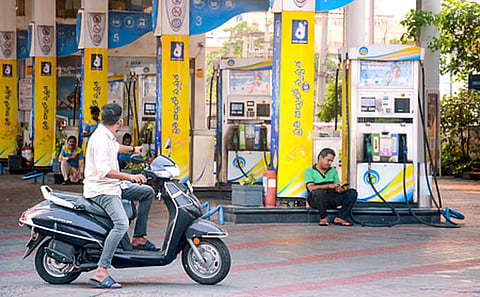

Petrol and diesel prices have once again increased across the country which has added more pressure on common people and transport costs, affecting Punjab as well. On May 25 fuel prices were raised for the fourth time within just 10 days making it one of the sharpest back-to-back fuel price increases seen in recent years.
According to latest revision by state run oil marketing companies petrol prices have gone up by around ₹2.61 per litre while diesel prices have increased by nearly ₹2.71 per litre in several parts of the country and the hike has also impacted Punjab including Jalandhar where residents are already struggling with rising household expenses and transportation costs.
In Delhi petrol prices rose from ₹99.51 per litre to ₹102.12 per litre while diesel increased from ₹92.49 per litre to ₹95.20 per litre on May 25. Mumbai saw petrol prices jump to ₹111.21 per litre and diesel to ₹97.83 per litre. In Kolkata petrol reached ₹113.51 per litre and diesel climbed to ₹99.82 per litre while in Chennai also recorded a fresh increase with petrol priced at ₹107.77 per litre and diesel at ₹99.55 per litre.
This latest increase comes after another revision announced on May 23 when petrol prices were raised by 87 paise per litre and diesel by 91 paise per litre across the country and on the same day CNG prices were also increased by ₹1 per kilogram and with repeated revisions in recent days the cumulative increase in CNG prices has now reached around ₹4 per kilogram.
Fuel prices had earlier witnessed a major jump on May 16 as well when petrol and diesel rates increased by nearly ₹3 per litre in several cities after state-run oil companies revised retail prices following a rise in global crude oil prices.
With the latest hike on May 25 petrol and diesel prices have cumulatively increased by nearly ₹7.5 per litre across four revisions since May 15 and the continuous rise in prices is now becoming a major concern for daily commuters, transport operators, small businesses and middle-class families across Punjab.
In Punjab fuel prices are generally higher than many other states because of higher Value Added Tax (VAT) and earlier this month Jalandhar Petroleum Dealers Association had shared revised fuel prices for the city after the May 16 hike and according to association president Sukhmohan Singh the revised prices in Jalandhar after the previous increase were:
• Petrol: ₹100.54 per litre
• Special petrol (premium petrol): ₹109.50 per litre
• Diesel: ₹90.35 per litre
Before that revision, prices in Jalandhar stood at:
• Petrol: ₹97.57 per litre
• Special petrol: ₹106.53 per litre
• Diesel: ₹87.41 per litre
After the latest round of hikes on May 23 and May 25 fuel prices in Punjab have risen even further crossing earlier levels and increasing the burden on consumers.
Speaking earlier about fuel pricing Sukhmohan Singh had said Punjab’s fuel rates are slightly higher than Delhi because of state’s tax structure however, he also clarified that Punjab is not the most expensive state for fuel and that states like Maharashtra still have higher rates due to local taxation policies.
The repeated hikes are happening at a time when international crude oil prices are witnessing major volatility because of geopolitical tensions in West Asia and concerns over supply disruptions linked to ongoing tensions involving Iran, United States and larger West Asian region have pushed global crude oil prices sharply upward in recent weeks.
Reports suggest that international crude oil prices crossed $100 per barrel mark earlier this month putting heavy pressure on India’s oil marketing companies including Indian Oil Corporation, Bharat Petroleum and Hindustan Petroleum.
According to officials from the Union Petroleum Ministry oil companies had kept retail fuel prices relatively stable for several months despite rising global crude prices and this reportedly led to major financial pressure on the companies.
Union Petroleum Minister Hardeep Singh Puri had recently stated during an industry event that state run oil companies are currently facing heavy losses because of the gap between rising international crude prices and domestic retail fuel prices and warned that if crude oil prices remain high for a longer period profits of public sector oil companies could be severely impacted.
Officials from the Petroleum Ministry also said the combined under-recovery on petrol, diesel and LPG had reached nearly ₹30,000 crore every month because companies were not fully passing on the burden to consumers earlier and industry estimates have further warned that if current trends continue public sector fuel retailers could collectively face losses of nearly ₹1.2 lakh crore during the first quarter of FY27.
However impact of rising fuel prices is now clearly being felt in Punjab and residents in Jalandhar told local media that repeated increases in petrol, diesel and CNG rates are affecting their monthly budgets badly and many daily commuters said transportation expenses have increased sharply within a short period while small business owners and delivery workers are also facing rising operational costs.
Experts believe the continued increase in fuel prices may also affect prices of essential goods, vegetables, transportation services and logistics in Punjab in the coming weeks ans since diesel plays a major role in transportation and goods movement, any major rise in diesel prices often impacts market prices indirectly.
