
Since the autumn season was at its end and winters were about to hit northern India, there were very strong claims from the National and international weather predictions, and even the weather and even the geographers around the globe claimed that this 2025 winters will be the chillest.
But the question is that really is La Niña going to make this winter in Punjab feel extra cold.
Well, as per press release issued on December 1, under the Ministry of Earth and Science, predictions indicate that La Niña’s effect will be strongest from mid‑December 2025 to the end of January 2026, and people will clearly feel that this season is harsher than a normal winter.
Weather agencies have already indicated that there is about a 60–70% chance that La Niña will be active from October to December 2025 and continue through the winter of 2025–26. It was also claimed that this pattern starts building quietly in late October and November, but on the ground it really shows up in December and reaches peak strength in January, when cold waves usually become more frequent in north‑west India.
IMD’s January forecast predicts a continuation of below-normal night temperatures in Punjab and other surrounding regions in December 2025 and January 2026. To put it simply, nights will be colder than usual, with a large area expected to see nighttime temperatures in the range of 3–6°C degrees, with some regions getting even colder during intense cold waves.
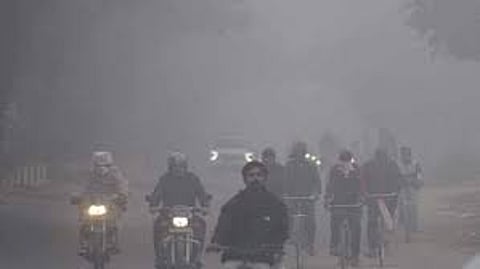
Due to La Niña and a lack of strong winds in winter, it can be expected that cold air will become locked in, with humidity and pollution. As a consequence, dense fog can be expected, especially during late night and early morning hours, which will impair road traffic and sometimes cause "cold days," when below-zero temperatures are to be expected for the whole day, with the sun being hidden.
Experts caution that this can bring about a surge in cases of cough, common cold, respiratory ailments, and hypothermia among senior citizens, children, and outdoor staff. Citizens of Punjab have been advised to keep a check on daily forecasts from IMD, local channels, and apps such as Apple Weather or AccuWeather before heading out, and modify school timings and outdoor working hours during peak La Niña in December 2025 and January 2026.
