
The first showers of the monsoon bring relief from the summer heat, but they also mark the beginning of a challenging season for public health. Every year, hospitals across India witness a rise in dengue, malaria and other fever-related illnesses. This year is no different.
Thirty-two-year-old Balwinder Kaur from Amritsar, a beneficiary, shared, “I recently received treatment under the Mukh Mantri Sehat Yojana worth ₹8,400.”
Balwinder Kaur was taken to hospital when her fever was extremely high. She said, “The hospital staff helped me register for Mukh Mantri Sehat Yojana. I earn my living by stitching clothes, and the timely treatment and financial support eased my burden and allowed me to focus on my recovery. I am grateful for this healthcare initiative by Chief Minister Bhagwant Mann, as it truly stands by families in times of need."
A 2025 Indian hospital study found dengue to be the most common cause of acute febrile illness among patients admitted during the monsoon. The findings reinforce that early testing and prompt treatment are essential, as many monsoon illnesses begin with similar symptoms.
Doctors are urging people not to ignore persistent fever, while in Punjab the Mukh Mantri Sehat Yojana (MMSY) is ensuring that eligible families receive cashless treatment without the burden of hospital bills.
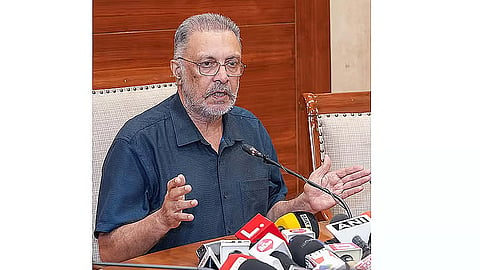
Health and Family Welfare Minister Dr Balbir Singh said the government has strengthened surveillance, hospital preparedness and diagnostic facilities to tackle the seasonal rise in mosquito-borne and water-borne diseases. He urged people to take simple preventive measures, including removing stagnant water from their surroundings and seeking medical attention at the earliest sign of fever.
"Preventing water-borne diseases begins at home. Every family, school and community has a role in stopping mosquito breeding. At the same time, we want people to know that eligible beneficiaries under the Mukh Mantri Sehat Yojana can access timely, cashless treatment without worrying about the cost of care," said Minister Dr Balbir Singh.
Dr Raj Kumar (MD Medicine), Senior Medical Officer, Community Health Centre, Verka, Punjab, said patients often make the mistake of assuming every fever is a routine viral infection. “Every monsoon, we see people arriving after treating themselves at home for three or four days. By then, some are already dehydrated or showing warning signs of dengue. A simple blood test and early treatment can prevent serious complications. The first 48 hours are extremely important," said the doctor.
He added that dengue is not the only concern during the rainy season. "Malaria, enteric fever, viral hepatitis and acute gastroenteritis are also common during the monsoon. Since the symptoms overlap, people should avoid self-medication and consult a doctor if fever persists. Early diagnosis saves lives," he said.
Dr Raj Kumar further informed, “During the early stage, these types of fever can be treated safely and effectively at a Community Health Centre (CHC) and even at the Primary Health Centre (PHC) level through the Mukh Mantri Sehat Yojana.”
He added that early diagnosis and timely treatment help prevent complications and reduce the need for referral to higher-level health facilities.
The latest figures under the Mukh Mantri Sehat Yojana, as shared by the State Health Agency (SHA), reflect the seasonal trend. Data as of 6 July 2026 shows that acute febrile illness was among the most commonly treated conditions under the scheme.
Patients received treatment at Community Health Centres, Sub-Divisional Hospitals, District Hospitals and empanelled private hospitals, with treatment packages for fever-related illnesses ranging from ₹2,100 to ₹8,400, depending on the patient's condition.
The data also recorded cases of malaria, acute gastroenteritis, enteric fever and viral hepatitis, indicating that the monsoon disease season has begun.
Fever-related claims came from districts including Fazilka, Moga, Sangrur, Gurdaspur and Hoshiarpur, demonstrating that patients are receiving treatment close to home instead of travelling to bigger cities.
Moreover, the figures highlight the wide reach of the scheme. While a large number of beneficiaries received treatment for seasonal fever, Mukh Mantri Sehat Yojana also covered dialysis, heart procedures, intensive care and other high-cost treatments on the same day. From a fever package costing a few thousand rupees to life-saving cardiac care, the scheme continues to support families facing both common illnesses and medical emergencies.
Dr Raj Kumar advises people not to ignore fever lasting more than two days, particularly if it is accompanied by severe body ache, persistent vomiting, abdominal pain, bleeding, breathing difficulty or unusual weakness.
He also recommends emptying coolers, flower pots and other containers that collect stagnant water, using mosquito repellents, wearing full-sleeved clothing and maintaining good hygiene during the rainy season.
