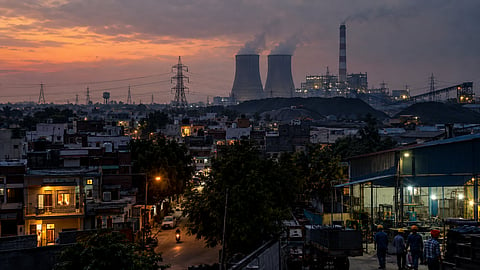

Punjab is facing growing pressure on its electricity supply as a nationwide coal shortage has reduced power availability to the state by around 1,850 MW, affecting thermal power generation and leading to unscheduled power cuts for domestic, agricultural and industrial consumers and the shortage comes at a time when electricity demand in Punjab remains high.
With less power being generated and available from thermal stations, the state is finding it increasingly difficult to maintain uninterrupted supply.
Power Minister Tarunpreet Singh Sond has sought immediate intervention from the Central Government, saying the coal shortage is affecting thermal power generation across the country and putting pressure on Punjab's electricity supply.
According to data available with the state Power Department, Punjab has a fixed share of around 2,814 MW from Central Sector thermal power stations located outside the state, however, the average power actually available to Punjab from these stations is around 1,621 MW
This means there is a shortfall of approximately 1,193 MW from Punjab's Central Sector allocation.
The shortfall is spread across several Central Sector generating stations but the exact gap varies from plant to plant depending on actual generation and the amount of electricity scheduled for Punjab. The situation has been made worse by reduced generation at the Rajpura thermal power plant, operated by Nabha Power Ltd.
The Rajpura plant has an installed capacity of 1,330 MW, but it has been operating at around 50 per cent capacity over the past few days. Its generation has been approximately 660 MW and this represents a reduction of around 670 MW from its maximum installed capacity.
When the approximately 1,193 MW shortfall from Central Sector stations is combined with the roughly 670 MW reduction at Rajpura, the overall impact on Punjab's available power works out to around 1,850 MW.
Coal availability is particularly important for Punjab because coal-based thermal plants depend on regular fuel supplies to operate at their required capacity and the Rajpura plant receives its coal allocation through the Central Government. Reduced coal availability has therefore directly affected its ability to generate at full capacity.
Power Minister Tarunpreet Singh Sond had earlier flagged the issue on September 5, saying Punjab's power generation had declined by around 1,500 MW because of the severe coal shortage, according to Sond, thermal power generation is being affected across the country. He also said around 63 GW of power supply nationwide had been affected by the coal shortage.
The minister specifically referred to reduced coal supplies from the Centre affecting the Rajpura and Talwandi Sabo thermal power plants, Sond has urged the Central Government to take immediate concrete steps to improve coal availability and ensure that thermal power plants receive adequate supplies.
The impact is being felt beyond power-generation figures.
Punjab is already witnessing unscheduled electricity cuts in different areas, with domestic and agricultural consumers also facing interruptions and the combination of high electricity demand and reduced generation is putting additional pressure on the state's power system. If the available generation remains below demand, power supply has to be managed through available sources, including electricity purchased from other sources and restrictions where required and the duration and frequency of cuts can vary depending on electricity demand, generation levels and the availability of power from different sources.
The power shortage is also affecting Punjab's industrial sector.
Industry representatives say electricity interruptions are having a direct impact on production, particularly when cuts continue for several hours.
Industrialist Raghav Kohli said power cuts do occur, but many industrial units are equipped with generators, which means they can switch to backup power and may not immediately feel the impact of an interruption, however, Manish Kohli, from the Industry Secretary's office, said the situation has become more difficult over the past few days and according to him, industrial units have been experiencing power cuts of around four hours at a time over the past 10 days.
He said these interruptions are affecting industrial output because production cannot continue normally when electricity supply is disrupted.
For industries, the issue is not limited to the time during which electricity is unavailable, and the interruptions can also affect production schedules and the operation of machinery, depending on the nature of the industrial unit.
Manish Kohli also linked the current situation to broader concerns surrounding Punjab's industrial sector and said the past 20 to 25 years have not been favourable for Punjab's industry, and that repeated electricity-related disruptions add another challenge for the sector, according to him, power cuts directly affect industrial output and can become a bigger problem if the situation worsens.
The concern among industrial consumers is therefore not only about the present interruptions but also about whether the shortage will continue for a longer period.
The immediate focus for Punjab is restoring adequate coal supplies to thermal power plants and if coal availability improves, plants operating below capacity could increase generation, potentially reducing pressure on the state's electricity supply, however, if the shortage continues, thermal generation could remain below normal levels, but at the same time, electricity demand will remain a key factor in determining the extent of the pressure on the system.
For consumers, this could mean continued unscheduled power cuts and the actual duration and frequency of future outages will depend on factors including coal availability, thermal generation, electricity demand and the amount of power Punjab is able to procure from other sources.
For industry, prolonged interruptions could further affect production and output.
The Punjab government is seeking urgent intervention from the Centre to improve coal supplies to power plants and the objective is to ensure that thermal stations can operate closer to their available capacity and restore electricity availability in the state, for now, the central issue remains the gap between the power Punjab is supposed to receive or generate and the electricity actually available.
With a reported 1,850 MW impact on power availability, reduced generation at Rajpura and shortages from Central Sector stations, Punjab's electricity system is under significant pressure.
The coming days will depend largely on whether coal supplies improve and whether thermal power generation can be restored.
