
Jalandhar’s civic authorities say they are entering Monsoon 2026 “wiser and better prepared” after this year’s night of flash floods that left parts of the city under water. The focus this year is on fixing power reliability at the Pholriwal Sewage Treatment Plant (STP), upgrading old sewer lines such as Ghazigura, and cleaning chokepoints in neighbourhoods that were worst hit in 2025, including Model Town and Urban Estate.
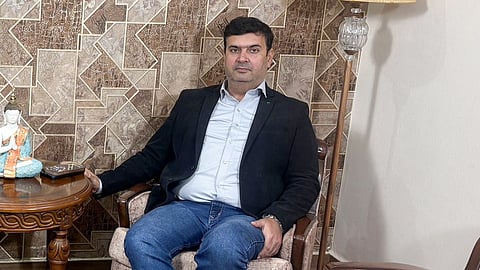
In an exclusive interview with TrueScoop host by anchor Khushboo Verma, the Mayor of Jalandhar Vaneet Dhir comprehensively addressed queries concerning urban maintenance, cleanliness, street lighting, e-challans, and various pending development projects.
The night Jalandhar went under
On being questioned about the planning of Municipal Corporation for the year 2026, so the residents do not face similar problems as faced by the Jalandhar residents in monsoon 2025.
September first week of 2025 witnessed nights of heavy rain in 2025, intense downpours turned key localities like Model Town, New Jawahar Nagar and Urban Estate into waterlogged pockets within hours, with 2–4 feet of water reported on several streets and basements. Residents and shopkeepers in these posh markets spoke of crores of rupees in damage as water rushed into homes, cafes and showrooms, forcing them to pump out water themselves and live without power or mobility for hours. Many blamed not just the intensity of the rain, but also chronic under‑capacity of the city’s drainage network and the shutdown of the main sewage treatment facility.
Mayor sir mentioned that the nights was really unfortunate for the Jalandhar residents. He addressed that the key reason the water did not recede was a technical fault at the Pholriwal STP, which handles the bulk of Jalandhar’s sewage and stormwater during heavy spells. Officials later acknowledged that a fault on the dedicated “hotline” power connection stopped the plant at the peak of the cloudburst, cutting pumping capacity when the city needed it most and contributing to severe inundation in central and upscale areas.
Old sewers, new pressure
This is been acknowledged that the Urban planners and civic observers have long warned that large parts of Jalandhar still depend on aging, undersized sewer lines that cannot cope with today’s built‑up areas and intense rainfall.
Mayor sir said that City‑wide, roughly 90% of the 1,100 km sewer network channels flow towards the Pholriwal STP, meaning any chokepoint or plant failure quickly shows up as street‑level flooding in dense neighbourhoods.
Local discourse in 2025 repeatedly highlighted stretches like the Ghazigura belt and older colonies where pipelines laid decades ago were never widened despite rapid growth and paving over of natural drains. Mayor sir said that after years is issue of sewerage of the Ghazigura belt is now been finally resolved.
Genuine issue
Civic voices writing in local forums and newspapers have argued that successive corporations focused on visible projects while postponing the unglamorous work of replacing narrow underground pipes and reviving lost water bodies. They point out that stormwater drains are often encroached, covered or choked with debris, turning every heavy shower into a traffic and safety hazard for commuters across the city.
What the 2026 monsoon plan promises
Against this backdrop, the Mayor and Municipal Corporation have outlined a Monsoon 2026 preparedness plan that tries to directly address what failed last year. Officials say the power supply to Pholriwal and other key STPs is being reinforced with improved hotline systems and backup arrangements so that a single fault cannot halt pumping during a downpour.
Alongside this, Mayor told that the corporation has launched pre‑monsoon “super‑suction” cleaning drives on major roads and drains to clear sludge and plastic waste that previously blocked outfalls during intense rain.
On the infrastructure side, the city has started replacing or upsizing old sewer lines in vulnerable pockets, including stretches feeding into Pholriwal and low‑lying markets that saw repeat flooding. While detailed project documents for every line are still emerging, recent drainage and sewer tenders in Jalandhar’s wards indicate targeted investments in new pipelines and manholes meant to increase carrying capacity before the next monsoon cycle. The Mayor has also spoken of creating on‑ground emergency response teams that can move pumps, respond to power faults and manage water levels in real time when a cloudburst hits.
