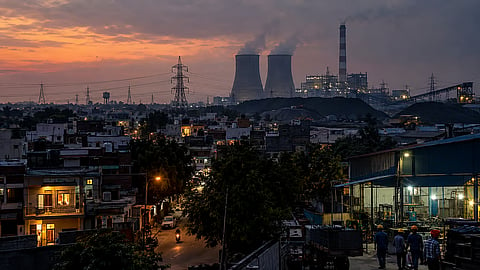

Punjab’s electricity supply is facing fresh pressure as the state’s private thermal power plants are reportedly left with only around two days of coal stock.
Punjab Power Minister Tarunpreet Singh Sond has warned that if fresh coal supplies do not reach the plants within the next one or two days, power generation at these private plants could stop and a halt in generation would put additional pressure on the state’s electricity system and could lead to longer power cuts.
The latest warning comes at a time when Punjab is already dealing with reduced power availability and unscheduled electricity cuts in several areas.
Punjab has a total thermal power generation capacity of around 5,680 MW, of this, government-run thermal power plants account for about 2,300 MW, while two private thermal power plants together have an installed capacity of around 3,380 MW.
This means private plants account for a significant portion of Punjab’s thermal generation capacity, and if these plants are forced to reduce or stop generation because of a lack of coal, the state will have to depend more heavily on electricity available from other sources.
The government may also have to purchase additional electricity from the central pool to meet demand.
The latest coal warning follows an earlier reported reduction of around 1,850 MW in Punjab’s available power and according to data cited by the state Power Department, Punjab has a fixed share of around 2,814 MW from Central Sector thermal power stations located outside the state, however, the average power actually available to Punjab from these stations has been around 1,621 MW, creating a shortfall of approximately 1,193 MW.
The situation has also been affected by lower generation at the Rajpura thermal power plant, operated by Nabha Power Ltd.
The Rajpura plant has an installed capacity of 1,330 MW, but its generation has recently been around 660 MW, or roughly half of its capacity and this represents a reduction of around 670 MW from its full installed capacity. The reported shortfall from Central Sector stations and the reduced generation at Rajpura together account for an impact of around 1,850 MW on Punjab’s available power.
Coal availability has become a key issue in the ongoing power crisis because coal-based thermal plants depend on regular supplies to maintain generation.
The Punjab government has said that reduced coal supplies are affecting thermal power generation and Power Minister Tarunpreet Singh Sond had earlier said that coal shortages were affecting thermal plants and had sought intervention from the Centre, the minister also said that reduced coal availability had affected generation at private thermal plants, including Rajpura and Talwandi Sabo, however, the Union Ministry of Coal has said that there is no shortage of coal and that adequate quantities have been allocated.
The reduction in generation is being felt by electricity consumers.
Domestic, agricultural and industrial consumers in different parts of Punjab have reported unscheduled power interruptions and the frequency and duration of these cuts depend on electricity demand, available generation and the amount of power that the state can procure from other sources.
The situation is particularly challenging during periods of high electricity demand. When Punjab’s own generation is not sufficient to meet demand, the state has to depend on electricity purchases from outside sources, according to the information provided by the PSEB Engineers Association, power purchases can also become expensive during periods of peak demand.
